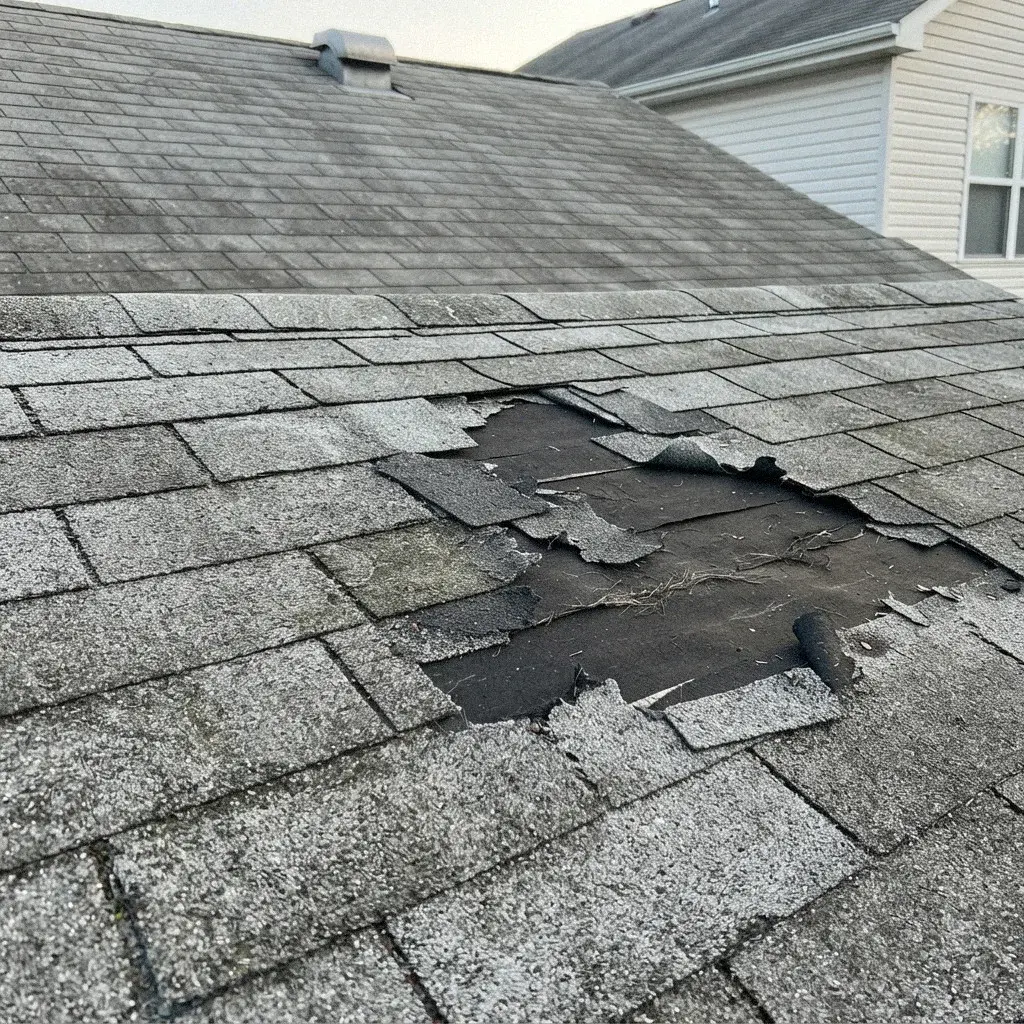
Gresham Roof Leak Repair for Underlayment Damage
See how tile access and damage boundaries shape a localized underlayment repair in Gresham.
Moisture can weaken the barrier beneath shingles before damage is obvious on the roof surface. Photos and a written scope should show the observed boundary. If deterioration continues beyond that area, broader work may be needed.
Roof Leak Repair Starts at the Underlayment
Start with the roof covering, then assess the underlayment visible beneath it. In Gresham, a localized repair is a reasonable option when the exposed failure has a clear boundary and nearby material remains sound. Ask the pros we connect you with to show how they reached that conclusion. Photos of the opening and its edges can make the proposed repair easier to understand. The key is whether the observed damage supports a contained repair, not how large the indoor mark looks.
Underlayment lies below the outer roof material and helps keep water from reaching the structure. A tear or failed overlap can interrupt that layer even when the covering above looks mostly intact. For a Gresham property, ask which section is affected and how the covering allows access to it. A useful explanation connects the visible failure to the proposed repair. It should also identify what the inspection could not confirm without opening more of the roof.
A ceiling mark cannot set the repair boundary by itself. Water may pass across parts of the roof before showing inside, so the exposed underlayment gives more direct evidence of the failure’s reach. Ask for photos that show the damaged area and the material around it. If you manage a home or small commercial property near Rockwood Market Hall, keep those images with the inspection notes. They help you compare the proposed scope with what was actually visible.
Roof Leak Repair Needs Tile Access
Access depends on how the roof covering is assembled. With tile, the pros we connect you with may need to lift and reset tiles to reach the layer below. Ask which area will be opened and how they will track the tiles moved. For a house in Gresham or a small commercial building near Rockwood Library, photos taken during access can show the opening before it is covered again. The assessment should distinguish access work from the underlayment repair itself.
A contained failure has a discernible edge, with adjacent underlayment that can still serve its purpose. Ask what the roofer observed at the edge and whether the material beyond it showed tears, separation, or deterioration. The answer should point to visible evidence, not simply label the job small. For a Gresham property, request close views and a wider view that shows where the opening sits on the roof. Together, those records help establish the proposed repair’s limits.
Roof layout can change what the inspection reveals. A steep plane, intersecting sections, or layers of covering may limit how much underlayment is visible from one opening. Ask whether the reachable area was enough to judge the failure’s edge and what remains uncertain. For a small commercial property near Rockwood Plaza, record any limits in the inspection summary. A careful account separates observed damage from areas that would need more access to assess.
Roof Leak Repair Follows Damage Edges
Look for failure continuing past the proposed opening or appearing in separate exposed areas. Crumbling material, repeated tears, or edges that keep separating can make a single patch hard to define. Ask the pros we connect you with to point out each finding and explain whether it changes the repair boundary. In Gresham, photos should identify the roof area as well as the close detail. That record lets you see why a localized approach may or may not fit.
Broader replacement may be considered when the surrounding layer cannot hold a reliable repair or damage extends across a wider section. The assessment should say what area was visible, what evidence suggests continued failure, and what additional access may be needed. Ask how the proposed work changes if more damaged material appears during opening. For a Gresham home or small commercial property, a written scope can separate the confirmed repair from possible added work without promising an outcome before inspection.
Roof Leak Repair Scope Tracks Material Condition
Before approving work, ask for the repair location, the underlayment condition observed there, and the planned limits of the opening. Have the written scope state how the roof covering will be handled and what findings would prompt a broader proposal. If the property is in Gresham, use its address and any useful local reference, such as Rockwood Market Hall, to keep photos and notes together. Clear records let you compare the proposed work with the inspection evidence.
Afterward, ask for photos of the repaired area before the covering was reset, plus a note of any damage found beyond the agreed boundary. The record should identify what was repaired and what remained unexamined. Keep it with the scope for a Gresham home or business, especially if another person manages the property. That makes later questions about the repair easier to answer without treating an unseen section as confirmed sound.
Roof Leak Repair Evidence Checklist
- Ask for close and wide photos showing the exposed failure, its edge, and the roof area where it sits.
- Confirm which parts of the roof covering must be moved to reach the underlayment and how they will be reset.
- Have the written scope distinguish the confirmed repair area from damage or sections that remain unassessed.
- At a Gresham house near Main City Park, compare the exposed failure with surrounding underlayment before treating it as a contained repair.
- Near Johnson Creek, check whether moisture has weakened material beyond the visible opening; a small opening can conceal a wider affected area.
- For a small commercial roof near Ruby Junction Station, record the tile access needed and any torn or brittle layers before setting repair limits.
Roof Leak Repair FAQs
When can underlayment damage be repaired in one area?
A localized repair can fit when opening the roof exposes a distinct damaged section and the surrounding underlayment remains usable. The pros we connect you with should show the failure’s boundary and document nearby material. If deterioration continues beyond that edge or appears in separate areas, ask whether more access or broader work is warranted before treating the leak as contained.
How do roofers inspect underlayment beneath tile?
Underlayment repair can stop a roof leak when inspection finds a limited failure and nearby material remains serviceable. The pros we connect you with should document the damaged area and check whether deterioration continues beyond it. If the surrounding layer has separated or failed in several places, a small patch may not address the problem; broader replacement may be needed. In Gresham, the assessment depends on the roof itself, whether the property is near Beaver Creek, Sandy River, or Troutdale.
What signs point to underlayment failure beyond one section?
Broader work may be considered when damaged material continues beyond the proposed repair area or nearby sections show deterioration. Ask the roofer to identify the evidence, show where the visible damage ends, and explain what more access could reveal. A written scope should separate confirmed findings from work that would depend on conditions found after opening.
Ask for a Localized Underlayment Review
Ask the pros we connect you with to document the exposed underlayment, its edges, and any damage that continues beyond the tile opening.
Call (503) 496-7864